

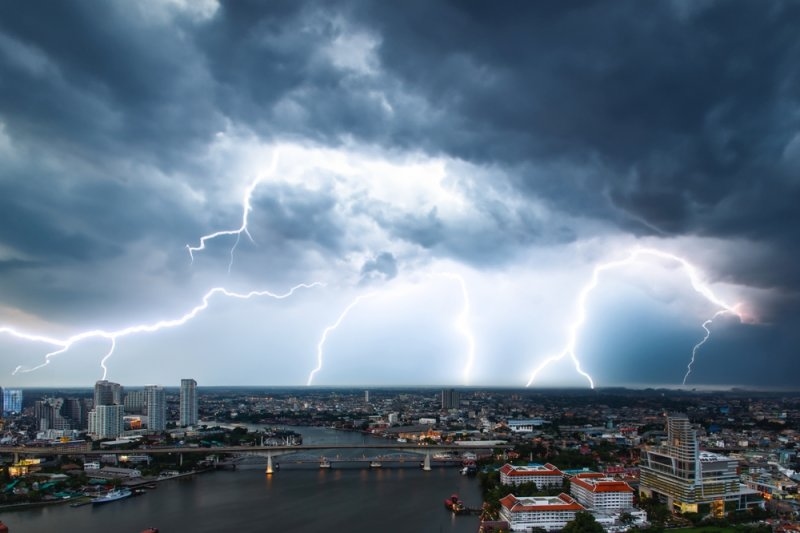
Rain changes Thailand. Everything slows down, turns green, feels less polished somehow. Beaches empty out, hotel prices drop, crowds vanish. Still, a lot of travelers skip the country, assuming the rainy season means their plans get ruined. That’s not really true. The weather here flips quickly. You might step outside to the drenched streets, then an hour later, it’s sunny again. Timing and location really matter. Some islands stay nice, others get rough seas. Pack wrong, and your trip gets frustrating; pack right, and things go smoothly.
This blog dives into Thailand’s rainy season: how the weather works, hidden benefits, packing tips, where you should go, and a bunch of practical advice to make your trip easy—and honestly, more interesting.
The Thailand Rainy Season usually runs from around May to October, though exact timing shifts by region. This is when humid air rolls in, skies darken quickly, sudden showers appear — then vanish. It sounds dramatic, but often isn’t. Rain rarely lasts all day.
Traveling during the Thailand Rainy Season feels less rushed. Attractions are quieter. Streets in busy cities feel easier to walk through. Plus, Bangkok hotels sometimes cut prices enough to make luxury stays feel possible without wrecking your budget.
A strange thing happens in Thailand during monsoon periods. Places breathe again. Markets feel local. Beaches stop looking overcrowded. It becomes easier to enjoy destinations without fighting crowds for photos or restaurant tables.
You also save money in ways people forget to mention. Flights may cost less, room upgrades happen more often, and local tour operators sometimes negotiate. Not always, but often enough to matter.
Many first-time visitors imagine nonstop storms. That picture is wrong. Rain usually comes in bursts — afternoon or evening showers are common. Some days remain fully sunny, others partly wet.
Regional weather changes everything. One coast may face rough seas while another stays relatively calm. That part catches visitors off guard.
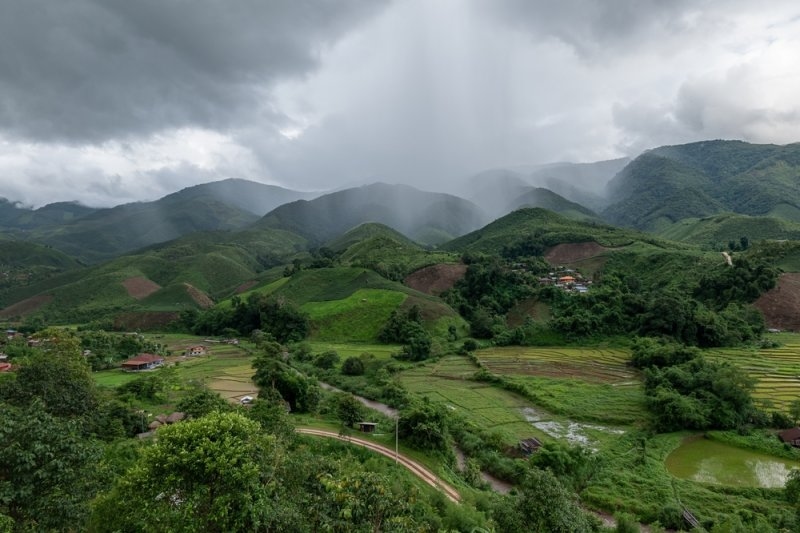
A proper Thailand weather guide matters because Thailand is not weather-consistent across regions. Bangkok may be soaked while southern islands stay manageable. Northern mountains feel cooler, and cities remain humid almost all year.
Checking regional forecasts before booking matters more than checking country-wide forecasts. Thailand is too geographically mixed for general assumptions.
The best time to visit Thailand depends on what kind of traveler you are. There is no single answer. Someone chasing beaches wants different weather than someone exploring temples or street food.
The rainy season works surprisingly well. Museums feel calmer. Night markets are easier to enjoy. Transport lines are shorter. You may not get postcard-perfect sunshine every day, but the trade-off feels worth it for many travelers.
Timing matters more than season labels. Some islands stay better during certain rainy months than others. Research before booking blindly. A cheap resort means little if boat trips stop due to the weather.
Also Read: Top 7 Things to Do in Bangkok, Thailand: A Detailed Guide
The Thailand monsoon season changes daily travel rhythm more than it changes travel quality. You adjust plans slightly. Wake earlier for outdoor activities. Leave indoor spots for afternoons if clouds build up.
There are annoyances. Wet roads, muddy shoes, and delayed ferries sometimes. Humidity can feel heavy. Not everything runs perfectly. But most problems stay manageable if expectations are realistic.
Some things travelers notice:
Thailand looks richer in color during rainy months. Trees look alive, waterfalls stronger, mountains covered in mist. Photos often turn out moodier and less harsh than dry-season pictures with flat sunlight.
Not everyone likes it. But many end up preferring it.
A solid Thailand rainy season guide should begin with packing. Overpacking becomes pointless here. Light, practical gear wins. Forget huge jackets. Thailand stays warm even during storms.
Here’s what you’ll want to pack:
And ditch the thick clothes. Thai rain isn’t about cold—just sweat and stickiness. Light layers win every time.
Weather disruptions happen occasionally. Flights shift. Boat tours canceled. Insurance feels boring until something changes unexpectedly. Then, suddenly, it was very useful. Small expense. Good backup.
Don't Miss: Check Out The Top 10 Tips for Your First Time in Bangkok
Thailand in the rain isn’t just “less nice.” It’s quieter, sometimes messy, but so much more memorable. Costs drop, crowds shrink, the scenery pops. Sure, showers interrupt plans, but honestly, travel isn’t ever perfectly smooth. People who roll with it have the best time. Think about where you’re headed, pack light, keep your plans loose, and you’ll catch Thailand that most visitors miss. Maybe it’s less shiny, but it’s way more authentic.
Expect powerful, brief showers rather than constant storms. Humidity rises, roads get slick fast, but the sun usually comes back quick. Your plans probably need tweaks, not cancellations.
Yes. Most spots stay safe. Some city areas flood, and boats sometimes stop if the sea gets rough. Pay attention to local updates, and you’ll steer clear of real trouble.
Stick to light, breathable clothes—temperatures stay warm. Quick-dry fabrics beat jeans every time. Waterproof sandals or comfy walking shoes help a ton.
Absolutely, but picking the right coast matters. Rain hits some harder than others, depending on the month. Double-check seasonal forecasts before you book—makes all the difference.
This content was created by AI