

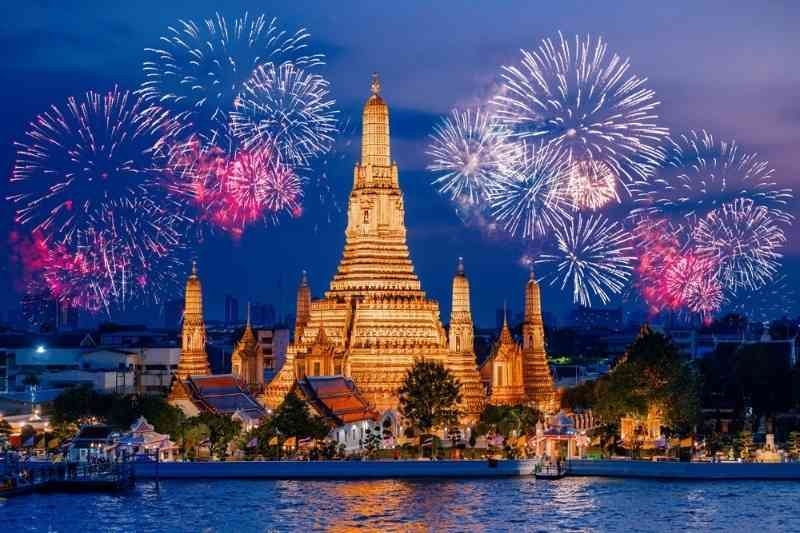
When you think of Bangkok’s beauty, Wat Arun always comes to mind. Its porcelain towers rise above the Chao Phraya River, instantly recognizable even if you’ve only seen them in photos. Every year, millions show up to see the temple for themselves. No surprise—Bangkok is one of the world’s top travel destinations, and these ancient temples attract more global attention than anything else in the city.
But there’s more to Wat Arun than just a pretty picture. This place tells the story of Thai history. The craftsmanship is wild—you’ll spot something new every time you look. And if you’re chasing the best views in Bangkok, this spot delivers.
Whether it’s your first trip or your fifth, here’s what you need: a guide to Wat Arun’s history, what to see, how to get there, travel tips, and good places to stay. Let’s dive in.
Bangkok’s great for food stalls, floating markets, and all kinds of street life. But Wat Arun? It brings everything together—history, architecture, spirituality, riverside scenery—without feeling like every other temple in town.
You find Wat Arun on the west bank of the Chao Phraya, just across from the Grand Palace and Wat Pho. It’s busy, but there are peaceful corners and cool breezes from the river. It doesn’t look like other temples, either. Instead of gold, you get colorful porcelain tiles—thousands of pieces, leftovers from Chinese merchant ships. As the sunlight shifts, so do the colors on the towers. It’s stunning, especially at sunrise or sunset, when soft light gives the place a golden glow, and everything feels a little bit magical.
Most people just call it Wat Arun, but its full name pays tribute to Aruna, the Hindu god of dawn. It dates back to the Ayutthaya era, way before Bangkok was even the capital.
When Ayutthaya fell in 1767, King Taksin moved his base across the river and, as the story goes, arrived at Wat Arun right at dawn—hence “Temple of Dawn.” Later on, King Rama II and Rama III renovated the temple into what you see today.
The central prang stands about 70 meters tall, meant to symbolize Mount Meru, the mythical center of the universe in Buddhist belief. Every detail, from the statues to the stairways, actually means something in Buddhist cosmology.
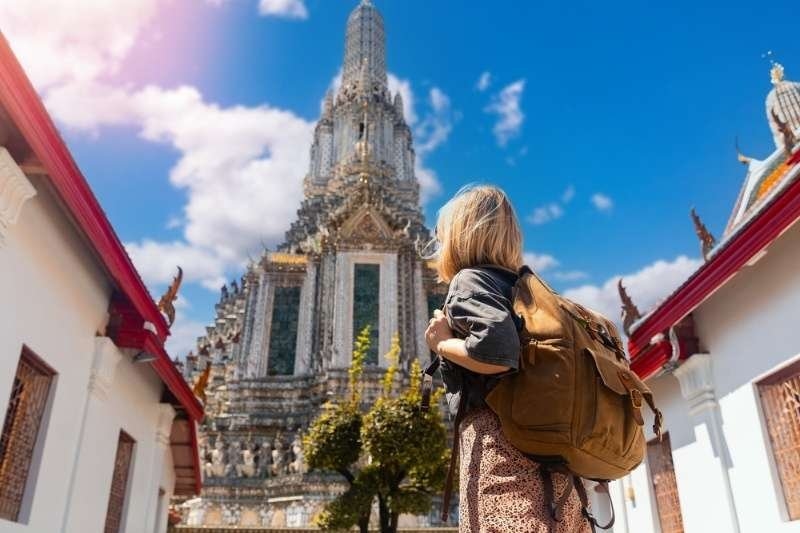
Bangkok is a divine place to visit for many tourists; however, they often get confused about what things you should see:
This is the main tower—the one you’ve probably seen on postcards. With its delicate ceramics, seashells, and floral motifs, it’s a classic example of Khmer-style design. You can climb partway up the steep stairs—the climb’s no joke, but the view of the river and the city is worth catching your breath for.
From afar, the temple looks mostly white. Up close, you notice thousands of colorful, intricate porcelain flowers and mosaic tiles. These come from bits of cargo that once crossed the sea on trade ships. It’s essentially ancient recycled art, and you’ll want to wander slowly just to take it all in.
Circling the temple, you’ll find calm gardens, shaded spots, and big guardian statues keeping watch. These areas are quieter, and it’s nice to step away from the crowds gathered at the main tower. Early in the morning, it’s especially peaceful.
Despite being called the Temple of Dawn, Wat Arun at sunset is something else. The setting sun lights up the spires, and the river glows. Lots of people head to the restaurants and cafes across the river for that perfect, classic photo after a day of exploring.
Try This: Famous Seafood Restaurants in Bangkok for Great Meals
Wat Arun is easy to add to your sightseeing list, especially if you plan ahead.
The temple’s open daily, usually from 8 AM to 6 PM. Show up right after opening for cooler air and smaller crowds. Late afternoon’s great too if you want to catch the sunset.
Tickets are usually 200 Thai Baht for international visitors. This covers access to the grounds and a chance to climb the central prang (just bring cash; not all vendors take cards).
The ferry’s the easiest way. If you start at the Grand Palace or Wat Pho, head to Tha Tien Pier, cross the river, and you’re there in minutes—plus, the view from the water is cool. You can also get there by taxi, Grab, tuk-tuk, or via the MRT (subway) with a quick ferry ride at the end.
Wat Arun is an active temple, so wear clothes that cover your shoulders and knees. Light fabrics are best—Bangkok’s weather is hot and humid most of the year. And don’t forget comfy shoes for climbing those steep stairs.
Anytime works, but there are definitely better hours.
This is the calmest time. It’s cooler and less crowded, plus the light’s soft for photos.
Golden hour is magic. The spires shimmer, and afterward, you can relax at a riverside cafe as the city lights come on.
Midday? It’s hot and crowded. If you can, avoid it—especially if you plan on climbing the prang.
Book a hotel close by, and you’ll get way more out of your visit. You’ll find luxurious riverside hotels with perfect views, cute boutique places you can walk to, or plenty of budget guesthouses around Old Town. Staying here puts you in reach of the Grand Palace, Wat Pho, Museum Siam, the flower market, and Chinatown. It’s quieter at night, too—once all the day-trippers clear out, you get a different side of Bangkok.
If you’re looking for a great place to stay near Wat Arun, check out these three spots:
Essential Reads: Best Day Trips from Bangkok to Have an Enjoyable Experience
Wat Arun isn’t just another photo stop—it’s living history, culture, and art all wrapped together. From the shining prang to the riverside calm, every part rewards anyone willing to slow down and soak it in.
If you’re into history, architecture, or just tracking down beautiful spots, you need Wat Arun on your list. Visit when it’s quiet, show a little respect for the place, and look beyond the main tower. The memories you’ll take home will be worth way more than any picture. Start Planning Your Bangkok Adventure.
The best trips aren’t about rushing—they’re about curiosity and really seeing a place. Add Wat Arun to your itinerary, wander the old neighborhoods, and take some time While getting immersed in the art, architecture, and riverside scene that make the area one of a kind.
Yes, no problem. Wat Arun stays open from May to October during the rainy months. You’ll get some afternoon showers, but they don’t usually last long. Mornings are your best bet for good weather and fewer people. Bring a rain jacket or umbrella just in case.
Definitely. Families go all the time. Kids love the ferry ride, the bright ceramics, and the views over the river. Just keep an eye on younger children if you tackle the steep prang stairs—they’re not easy for little legs.
Most people spend one to two hours. That’s enough time for photos, a climb up the tower, and a walk around the grounds. If you want to knock out other nearby sights, plan for at least half a day.
This content was created by AI